Caring for leather: cleaning and conditioning by finish
How to clean, condition and protect aniline, semi-aniline, pigmented, pull-up, nubuck and suede leathers, and what to put on your product's care label.
Good leather lasts for decades, but only if it is cared for in a way that suits its finish. The method that keeps a pigmented car seat spotless can ruin a nubuck boot. For makers, care matters twice: once in your own workshop and warehouse, and again on the care label your customers read. This guide covers both.
First, identify the finish
Most care mistakes come from treating every leather the same. A quick test tells you which family you are dealing with. Put one small drop of water on a hidden spot:
- It soaks in and darkens quickly: aniline, nubuck or suede. An open, absorbent surface.
- It soaks in slowly: semi-aniline or a lightly finished pull-up leather.
- It beads on the surface: pigmented, patent or another coated finish.
Let the spot dry naturally before you go further.
Care by finish
| Finish | Everyday cleaning | Conditioning | Avoid |
|---|---|---|---|
| Aniline | Dry or barely damp soft cloth | Light conditioner, sparingly | Water soaking, sunlight, harsh cleaners |
| Semi-aniline | Damp cloth, mild leather cleaner | Occasional conditioner | Solvents, abrasive pads |
| Pigmented | Damp cloth, mild leather cleaner | Rarely needed | Solvents, alcohol, abrasive pads |
| Pull-up and waxy | Dry cloth; buff scuffs with a thumb | Wax or oil made for pull-up leather | Heavy silicone sprays |
| Nubuck and suede | Suede brush, suede eraser | None: use a protector spray | Water, oils, wet cleaning |
| Patent | Damp cloth, then dry | None | Heat, solvents, stacking pieces together |
Aniline and semi-aniline
These open finishes absorb what touches them, so the rule is to blot, not rub. Wipe spills straight away with a clean, dry cloth, working from the outside of the mark inward. For routine cleaning, use a soft cloth that is barely damp. Condition sparingly, a few times a year at most, with a conditioner made for aniline leather. Test it on a hidden spot first, because some conditioners darken open leather. Keep these leathers out of direct sunlight, which fades them.
Pigmented leather
Pigmented leather is the easiest to care for. Wipe it with a damp cloth and a mild, pH-balanced leather cleaner, then dry it with a soft cloth. It rarely needs conditioning, because the protective coat stops the leather drying out. Never use solvents, alcohol or household cleaners. They can soften or strip the coat, and once the coat is damaged the leather underneath stains easily.
Pull-up, crazy horse and waxy leathers
These leathers are designed to change with use. Most light scuffs and scratches can be rubbed out with a thumb or a soft cloth. The warmth moves the oils and waxes back across the mark. Feed them occasionally with a wax or oil made for pull-up leather. Avoid heavy silicone sprays, which can seal the surface and stop the pull-up effect.
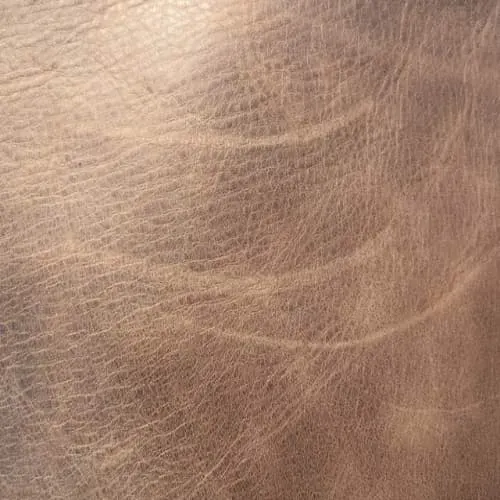
Nubuck and suede
Napped leathers need dry care. Brush them regularly with a suede brush to lift the nap. A suede eraser removes light marks. Protect them with a spray made for nubuck and suede, and reapply it after cleaning. Keep water away where you can. If they do get wet, blot them, let them dry naturally away from heat, then brush the nap back up.
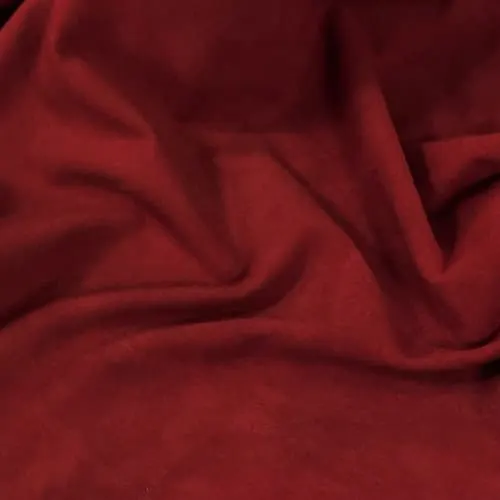
A simple routine for any leather
- 1DustWipe or brush away dust and grit, which abrade the surface.
- 2Spot cleanTreat marks using the method for the finish.
- 3Dry naturallyNever use a heater or hairdryer; heat cracks leather.
- 4Condition or protectCondition smooth leathers; protect napped ones, as the finish needs.
- 5Store wellKeep out of direct sun, in a dry, ventilated place.
Care in your own workshop and warehouse
Leather is most at risk before it reaches a customer.
- Store hides rolled or flat, never folded, in a cool, dry, ventilated space away from direct sunlight.
- Keep humidity moderate. Very damp storage invites mould; very dry storage stiffens leather.
- Do not wrap leather in sealed plastic for long periods. It needs to breathe.
- Keep cutting tables clean. Oil and grit on a table transfer to aniline and nubuck instantly.
- Separate patent leather with paper, because its coated surfaces can stick together.
Writing your care label
Your customers will only follow care advice they can understand in seconds. A good care label:
- Names the leather type, for example “semi-aniline leather”.
- Gives one line on everyday cleaning.
- Gives one line on what to avoid.
- Mentions that natural marks and patina are part of the leather, for open finishes.
Common questions
How often should leather be conditioned?
It depends on the finish and the climate. Open leathers such as aniline benefit from a light conditioner a few times a year, more often in dry or heated rooms. Pigmented leather rarely needs it, because its coat stops the leather drying out. Over-conditioning can leave a sticky surface and attract dirt, so less is usually more.
Can I use household cleaners or baby wipes on leather?
It is best not to. Many household cleaners and wipes contain alcohol, solvents or detergents that strip finishes and dry the leather. Use a mild, pH-balanced cleaner made for leather, and always test it on a hidden spot first.
What should I do if leather gets soaked?
Blot away as much water as you can with a clean towel, then let the leather dry slowly at room temperature, away from heaters and direct sun. Stuff shoes and bags with paper to hold their shape. Once dry, condition smooth leathers and brush napped ones to lift the nap.
How do I remove mould from stored leather?
Take the leather outside and brush the mould off gently with a soft brush. Wipe the surface with a cloth barely dampened with a mild leather cleaner, then let it dry in a well-ventilated place. Mould means the storage was too damp, so move the stock to a drier, better-ventilated space.
Does leather need to breathe in storage?
Yes. Leather is a natural material that holds and releases moisture. Long storage in sealed plastic can trap moisture and encourage mould. Cotton covers, paper and ventilated shelving are better choices.
If you are not sure how to describe a leather on your care label, ask us when you order. We can tell you exactly how each of our finishes was made and how it should be cared for.
Want this leather on your line?
Request the catalogue